
Kannauj Rose Water – Cultivation, Uses & Benefits
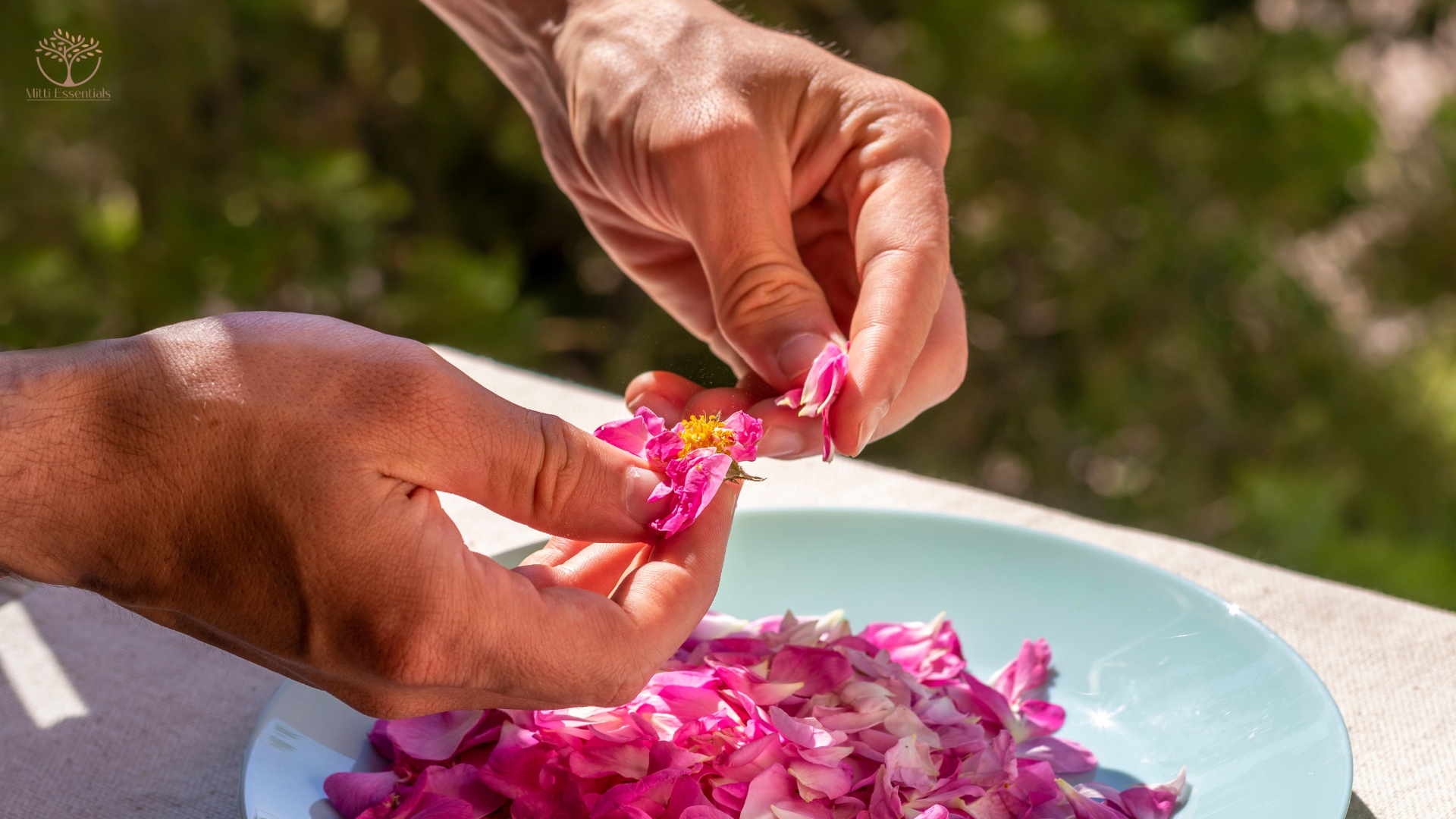
Kannauj Rose Water - Cultivation of Roses
Kannauj, often referred to as the “Perfume Capital of India,” is renowned for its traditional methods of producing rose water, a natural distillate with a myriad of uses and benefits. The city, with its rich history and expertise in perfumery, has perfected the art of extracting the essence of roses, creating a product cherished worldwide for its purity and therapeutic properties. This article delves into the cultivation process of Kannauj rose water, its diverse uses, and the benefits it offers.
The journey of Kannauj rose water begins with the cultivation of roses, specifically the Damask rose (Rosa damascena). The fertile soil and favorable climatic conditions of Kannauj make it an ideal location for growing these fragrant flowers. The cultivation process is meticulous, ensuring that the roses maintain their exceptional quality and fragrance.
- Selection of Rose Varieties: The Damask rose is the preferred variety due to its rich fragrance and high oil content. Farmers select healthy and robust plants to ensure a bountiful harvest.
- Soil Preparation and Planting: The soil is prepared by plowing and adding natural manure to enhance fertility. Rose saplings are planted with adequate spacing to ensure proper growth and air circulation.
- Irrigation and Care: Roses require regular watering, especially during the dry season. Drip irrigation is often employed to conserve water and provide consistent moisture. Farmers also prune the plants regularly to promote healthy growth and abundant flowering.
- Harvesting: The roses are harvested early in the morning when their oil content is at its peak. The delicate flowers are carefully picked by hand to avoid bruising and loss of fragrance.
Kannauj Rose Water - Traditional Distillation Process
Once harvested, the roses undergo a traditional distillation process known as Deg Bhapka. This ancient method, passed down through generations, ensures that the rose water retains its natural essence and therapeutic properties.
- Loading the Deg: Freshly harvested roses are loaded into a copper still, known as the Deg. Water is added, and the still is sealed to prevent the escape of steam.
- Heating: The Deg is heated using a firewood furnace. As the water boils, steam rises through the roses, capturing the essential oils and aromatic compounds.
- Condensation: The steam passes through a cooling coil, where it condenses back into liquid form. This liquid, collected in a separate container called the Bhapka, is pure rose water.
Uses of Kannauj Rose Water
Kannauj rose water is incredibly versatile and finds application in various domains, including skincare, culinary arts, and wellness practices.
- Skincare: Renowned for its soothing and hydrating properties, rose water is a staple in many skincare routines. It acts as a natural toner, balancing the skin’s pH, reducing redness, and calming irritation. Its anti-inflammatory properties make it ideal for sensitive and acne-prone skin.
- Culinary Uses: Rose water is a popular ingredient in culinary traditions worldwide. It adds a delicate floral note to desserts, beverages, and savory dishes. Middle Eastern and Indian cuisines, in particular, incorporate rose water in sweets like gulab jamun, baklava, and Turkish delight.
- Aromatherapy: The calming scent of rose water makes it a valuable addition to aromatherapy practices. It is used in diffusers, sprays, and baths to promote relaxation, reduce stress, and improve mood.
Benefits of Kannauj Rose Water
- Hydration and Moisturization: Rose water helps to hydrate and moisturize the skin, leaving it soft and supple. Its natural humectant properties attract and retain moisture, making it an excellent addition to skincare products.
- Anti-Aging Properties: Rich in antioxidants, rose water helps to combat the signs of aging by neutralizing free radicals. Regular use can reduce the appearance of fine lines, wrinkles, and age spots.
- Calming and Soothing: The anti-inflammatory properties of rose water make it effective in soothing skin irritations, redness, and sunburn. It provides a cooling effect, making it ideal for sensitive skin.
- Antibacterial and Antiseptic: Rose water possesses mild antibacterial and antiseptic properties, making it beneficial for treating acne and preventing infections.
- Mood Enhancer: The pleasant aroma of rose water has a calming effect on the mind, reducing stress and anxiety. It can help improve mood and promote emotional well-being.